







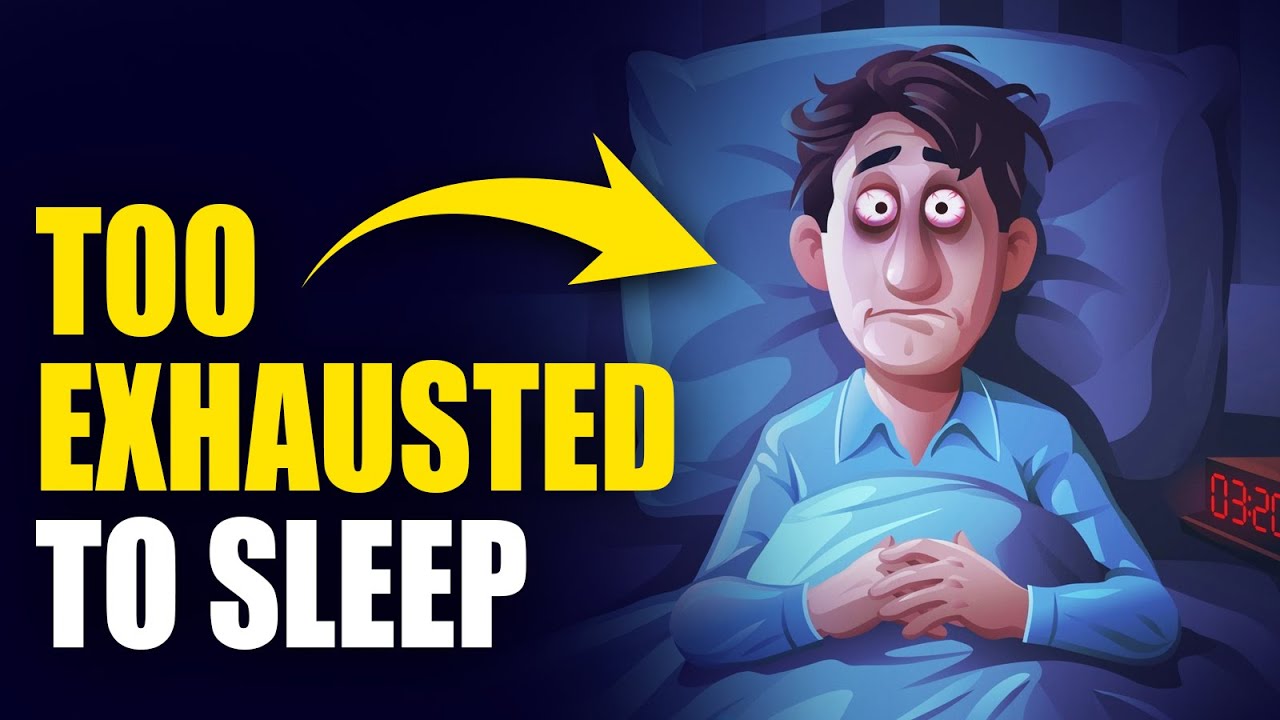
You feel drained. Your body is begging to turn in for the night. Yet when you lie down, your mind refuses to shut off. And your eyes? Frustratingly open. Overtired? Why You’re Exhausted but Can’t Sleep
Sounds like you’re overtired.
“You can be completely physically and mentally exhausted, but your eyes are wide open and your brain keeps going,” explains sleep medicine specialist Samuel Gurevich, MD. “It’s like your brain and your body are at odds with one another.”
We talked with Dr Gurevich about what it means to be overtired and how to get the sleep you need.
Symptoms of being overtired on Overtired? Why You’re Exhausted but Can’t Sleep
Overtiredness is when you’re excessively tired yet feel wired at the same time. It can happen when you’re chronically sleep deprived or miss your “window” for falling asleep — leaving you stuck in limbo, somewhere between wide awake and dead tired.
Dr. Gurevich calls it high-stress exhaustion: “Your body is tired — but your brain still thinks it needs to stay alert.”
Common signs include:
- Racing thoughts: Your brain suddenly decides bedtime is the perfect time to replay conversations, plan for tomorrow or worry about everything from what your ex is doing to how you’ll ever pay down your credit card debt. Overtired Why You’re Exhausted but Can’t Sleep
- Difficulty staying asleep: You may fall asleep briefly but wake up in the middle of the night and struggle to drift off again.
- Reaching for distractions: You might be tempted to scroll on your phone, turn on the TV or start household tasks. You think sleep isn’t in the cards, so you may as well get something accomplished.
- Sleep deprivation symptoms: The more tired you become, the more you may notice aches, pains, irritability, brain fog, poor concentration and other effects of not getting enough sleep.
Why you can’t sleep when you’re overtired on Overtired? Why You’re Exhausted but Can’t Sleep
When your environment becomes quiet and distraction-free, your mind goes free range and comes up with all kinds of things to keep it entertained. And once those thoughts start gathering steam, it can be hard to hit the brakes — even when you desperately want to.
“There’s no better time to solve the world’s problems than in the middle of the night,” Dr. Gurevich quips.
What’s happening is that your fight-or-flight response is in overdrive. That keeps your brain alert and can lead to a frustrating cycle: Overtired? Why You’re Exhausted but Can’t Sleep
- You feel exhausted.
- Your thoughts keep you up.
- You worry about not sleeping.
- That worry makes you even more on edge.
- Sleep becomes even harder.
“The more you think about sleeping, the harder it becomes,” he continues.
Things like stress, anxiety and too much caffeine late in the day can contribute to your inability to sleep. So can underlying health issues, like: Overtired? Why You’re Exhausted but Can’t Sleep
- Anxiety
- Sleep disorders
- Mood disorders
- Thyroid conditions
- Anemia
Tips to help get much-needed rest on Overtired? Why You’re Exhausted but Can’t Sleep
If you regularly feel overtired, improving your sleep environment and sleep habits can make a big difference.
“Sleep is a passive process — you can’t force it,” Dr Gurevich notes. But there are some ways you can help your brain recognise that it’s time to rest.
- Create a cool, dark and quiet sleep space. A comfortable environment signals your brain that it’s time to wind down. Many people sleep best in slightly cooler rooms.
- Keep your phone and clock out of sight. Checking the time repeatedly can increase frustration and anxiety about not sleeping. Overtired? Why You’re Exhausted but Can’t Sleep
- Avoid caffeine in the evening. Caffeine can stay in your system for hours. Even foods like chocolate or drinks like green or black tea may interfere with sleep if consumed too late.
- Don’t drink alcohol before bed. While alcohol may make you feel sleepy at first, it can actually disrupt sleep. As your body metabolises alcohol, it can lead to a middle-of-the-night “rebound awakening”.
- Build a consistent bedtime routine. Create a 15- to 20-minute wind-down routine — like reading, stretching or meditating — and stick to it every night. This helps train your brain to expect sleep. “The brain learns to expect certain things,” Dr Gurevich explains. “When you repeat those cues every night, they can start to trigger sleepiness.” Overtired Why You’re Exhausted but Can’t Sleep
- Exercise earlier in the day. Physical activity during the day can promote sleep. But try to finish workouts at least a few hours before bedtime so your adrenaline levels can settle down for the night.
- If you wake up at night, avoid stimulating distractions. Scrolling on your phone, watching TV or working on your computer rewards your brain for staying awake. That makes it even harder to get back to sleep.
- Give your mind a boring task. Reading a physical book can help redirect your thoughts without overstimulating your brain. “Pick something that’s not very interesting — or something you’ve already read many times,” Dr Gurevich recommends. Eventually, your brain will lose interest, and your eyelids will get heavy. Overtired? Why You’re Exhausted but Can’t Sleep
- Try simple mental exercises. Techniques like counting sheep or visualising numbers as you slowly count down from 100 can refocus your thoughts. “These exercises are about giving your brain a ‘side quest’ instead of letting it make up its own tasks, which typically aren’t conducive to sleep,” Dr Gurevich says.
- Consider cognitive behavioural therapy for insomnia (CBT-I).Overtired? Why You’re Exhausted but Can’t Sleep This structured therapy helps retrain your brain’s relationship with sleep and is often more effective long-term than sleep medications.
When to talk to a doctor about being overtired? Overtired? Why You’re Exhausted but Can’t Sleep
Occasional restless nights happen to everyone. But if you frequently experience overtiredness, it may be worth talking with a healthcare provider.
They can check for underlying conditions that can interfere with rest.
Many people who feel chronically overtired look for quick fixes, like sleep medications or supplements. But those options aren’t always the best long-term solution.
Overtired? Why You’re Exhausted but Can’t Sleep
Feeling exhausted but unable to drift off can be frustrating and confusing. You might expect that being extremely tired would make sleep come instantly—but that’s not always how the body works. In fact, overtiredness can actually make it harder to fall asleep and stay asleep. Understanding why this happens—and how sleep medications and supplements fit into the picture—can help you make better choices for your rest and overall health.
What Does It Mean to Be Overtired?
Being overtired goes beyond simple fatigue. It often happens when your body has missed its natural sleep window or has been pushed into a state of stress. Instead of winding down, your body releases stress hormones like cortisol and adrenaline. These chemicals are designed to keep you alert, making it difficult for your brain to relax—even when you desperately need rest.
Why You Can’t Sleep Even When You’re Exhausted
When overtired, your nervous system may shift into a “fight-or-flight” mode. This overstimulation can lead to:
- Racing thoughts
- Restlessness
- Increased heart rate
- Difficulty falling or staying asleep
Ironically, the more tired you become, the more your body resists sleep. This creates a cycle that can be hard to break without the right approach.
Do Sleep Medications Help? Overtired? Why You’re Exhausted but Can’t Sleep
Sleep medications can sometimes provide short-term relief. They may help you fall asleep faster or stay asleep longer, especially during periods of acute stress or disruption.
However, as Dr. Gurevich explains, “Most sleep medications can help initially, but they’re often not sustainable. Over time, some people develop tolerance.” This means your body may get used to the medication, reducing its effectiveness and sometimes leading to dependence.
Because of these risks, sleep medications are usually recommended only for short-term use and under medical supervision.
What About Over-the-Counter Supplements?
Over-the-counter sleep aids and supplements—such as melatonin or herbal remedies—are widely available and often seen as a “safer” alternative. But they’re not without drawbacks.
Some supplements can:
- Cause side effects like grogginess or headaches
- Interact with other medications
- Be inconsistent in quality or dosage
That’s why it’s important to speak with a healthcare provider before trying them, especially if you have underlying health conditions or are taking other medications.
Healthier Ways to Break the Overtired Cycle on Overtired? Why You’re Exhausted but Can’t Sleep
Instead of relying solely on medications or supplements, consider building habits that support natural sleep:
- Stick to a consistent sleep schedule: Go to bed and wake up at the same time every day
- Create a calming bedtime routine: Activities like reading or gentle stretching can signal your body it’s time to wind down
- Limit screen time before bed: Blue light from devices can interfere with your body’s sleep signals
- Manage stress levels: Techniques like deep breathing, meditation, or journaling can help calm your mind
These strategies may take time, but they address the root causes of overtiredness and support long-term sleep health.
When to Talk to a Healthcare Provider on Overtired? Why You’re Exhausted but Can’t Sleep
If overtiredness is a frequent issue or is significantly affecting your daily life, it’s important to seek professional help. A healthcare provider can:
- Identify underlying causes (such as insomnia, anxiety, or lifestyle factors)
- Recommend safe and effective treatments
- Guide you on proper use of medications or supplements if needed
Getting expert advice ensures you’re not just masking the problem—but truly improving your sleep.
Final Thoughts: Finding Your Way Back to Rest on Overtired? Why You’re Exhausted but Can’t Sleep
Being exhausted but unable to sleep can feel like a never-ending cycle. While medications and supplements may offer temporary relief, they’re not always the long-term solution. Understanding your body, building healthy habits, and seeking professional guidance can make a lasting difference.
If overtiredness is keeping you from getting the ZZZs you need, talking with a healthcare provider can help uncover the root of the problem and guide you toward safe, effective ways to improve your sleep.
Sweet dreams!










Leave a comment