







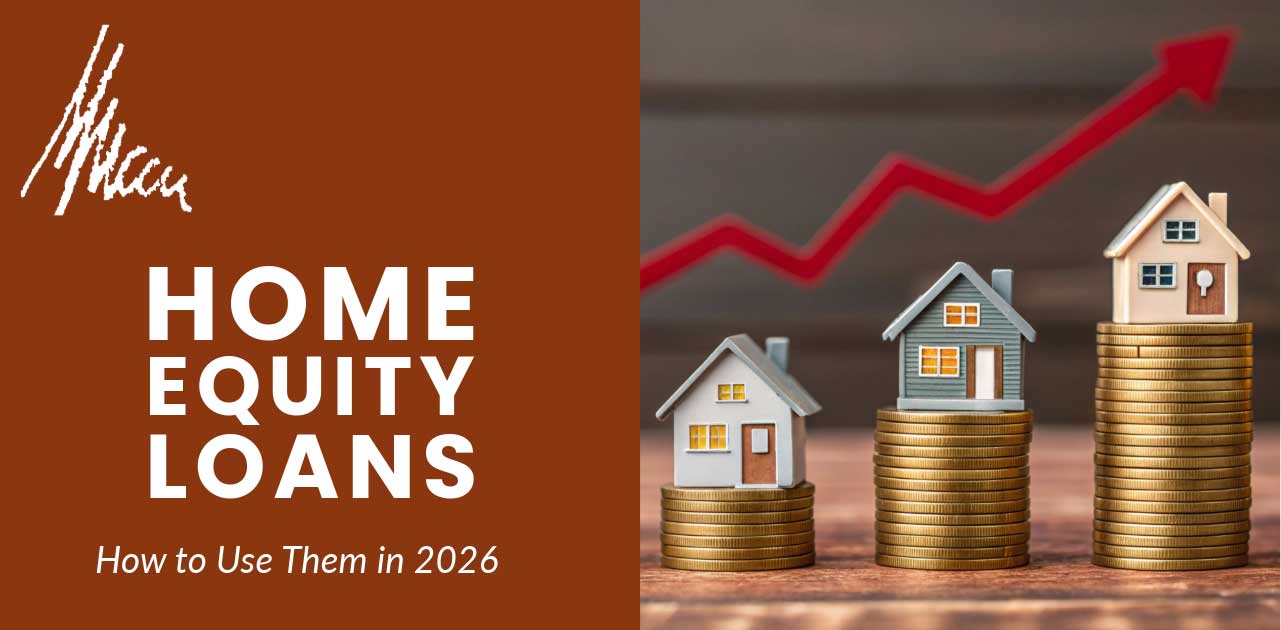
Access to capital often determines whether a plan moves forward or stalls. For business owners, homeowners, and investors, borrowing decisions are rarely abstract. They affect timing, cash flow, and long-term stability. How Today’s Home Equity Loan Rates Shape Smart Borrowing Decisions
Home equity loans remain a common option for those who want structured borrowing tied to an asset they already own. The interest rate attached to that loan plays a larger role than many people expect. It influences not just cost but confidence in the decision itself.
Understanding how rates function in the current environment helps borrowers make choices that align with real financial goals. How Today’s Home Equity Loan Rates Shape Smart Borrowing Decisions
Table of Contents
What a Home Equity Loan Offers on How Today’s Home Equity Loan Rates Shape Smart Borrowing Decisions
A home equity loan allows a homeowner to borrow a lump sum using the value built into their property. The loan is repaid over a fixed term with predictable monthly payments.
This structure appeals to people who want certainty. Payments stay consistent. Timelines are clear. The loan can be planned into a budget without ongoing adjustments.
For business owners, this predictability can support renovations, debt consolidation, or investment planning without introducing variable payment stress.
Interest Rates Define the True Cost
Interest rates are the price of access. Even small differences in rate can meaningfully change the total cost of a loan over time.
A lower rate keeps payments manageable and preserves flexibility. A higher rate tightens margins and limits room for error. Over several years, the difference can add up quickly.
This makes rate awareness essential, especially when borrowing against a personal asset like a home.
How Rates Affect Monthly Cash Flow
Once a loan is in place, it becomes part of the monthly rhythm. Payments arrive alongside utilities, payroll, and other fixed obligations. How Today’s Home Equity Loan Rates Shape Smart Borrowing Decisions
When rates are reasonable, payments feel proportional. They fit into existing cash flow without crowding out other priorities.
When rates are higher, the loan demands more attention. It reduces optional spending and increases pressure to maintain steady income.
This is why understanding current pricing before committing matters.
Market Conditions and Borrower Profiles
Home equity loan rates are shaped by broader economic conditions as well as individual financial profiles. Central bank policies influence baseline rates. Lenders adjust pricing based on risk and competition.
Borrower credit history, income stability, and loan-to-value ratios also affect the rate offered. Two borrowers looking at the same product may receive very different terms.
Awareness of these factors helps borrowers interpret offers more clearly.
The Role of Comparison on How Today’s Home Equity Loan Rates Shape Smart Borrowing Decisions
Rates are not uniform across lenders. Differences appear in advertised rates, fee structures, and repayment conditions.
Knowing home equity loan rates today provides context. It gives borrowers a reference point before engaging in conversations or making commitments.
Comparison is not about chasing the lowest number. It is about understanding how an offer fits into a larger financial picture.
When a Home Equity Loan Makes Sense
Home equity loans tend to make sense when borrowing supports a longer-term plan. Renovations that improve a primary residence. Consolidation of higher-interest debt. Investments that align with stable cash flow.
They are less effective for short-term spending or unpredictable expenses. How Today’s Home Equity Loan Rates Shape Smart Borrowing Decisions
The interest rate helps clarify this distinction. When rates are competitive, long-term borrowing becomes more practical. When rates rise, borrowers often reassess whether the timing still works.
Risk Should Be Considered Honestly
Borrowing against home equity carries responsibility. The home secures the loan, which means repayment must be treated as a priority. How Today’s Home Equity Loan Rates Shape Smart Borrowing Decisions
This does not mean the option should be avoided. It means the decision should be deliberate.
Rates play a role here as well. Lower rates reduce stress during repayment. They create more room to handle changes in income or expenses.
Questions Worth Asking Before Borrowing
Before committing to a home equity loan, borrowers benefit from asking clear questions.
- What is the exact interest rate being offered?
- Are payments fixed for the full term?
- Are there fees or penalties involved?
- How does this payment fit into monthly cash flow?
- Does the purpose of the loan justify the cost?
Clear answers reduce uncertainty and improve confidence. How Today’s Home Equity Loan Rates Shape Smart Borrowing Decisions
Financial Decisions Are Also Emotional
A home is more than an asset. It represents stability and personal investment. Borrowing against it often carries emotional weight alongside financial calculations.
This is normal. Sound decisions account for both.
A loan that looks good on paper but feels uncomfortable in practice may not be the right choice. Rates influence this balance by shaping how manageable the commitment feels.
Borrowing With Intention
How Today’s Home Equity Loan Rates Shape Smart Borrowing Decisions
Home equity loans work best when they are used intentionally. They are not safety nets to fall back on during uncertainty—they are financial tools designed to be used with clarity and purpose. Like any tool, their effectiveness depends on how and when they are used. At the center of that decision is one critical factor: the interest rate.
Understanding today’s rate environment allows borrowers to move forward with confidence rather than urgency. Rates are not just background numbers set by lenders—they directly influence affordability, long-term cost, and the overall impact of borrowing against your home. How Today’s Home Equity Loan Rates Shape Smart Borrowing Decisions
Why Interest Rates Matter More Than Ever
Interest rates determine the true cost of a home equity loan. Even a small difference in percentage can translate into significant changes in monthly payments and total repayment over time.
When rates are lower, borrowing becomes more efficient. Homeowners can access funds while keeping interest costs manageable. When rates are higher, the same loan can become more expensive, requiring more careful evaluation of whether the financial benefit outweighs the cost.
This is why current rates should never be viewed in isolation. They must be considered alongside your financial goals, repayment capacity, and the purpose of the loan itself.
Reading the Current Rate Environment on How Today’s Home Equity Loan Rates Shape Smart Borrowing Decisions
Today’s home equity loan rates act as signals. They reflect broader economic conditions such as inflation, central bank policies, and lending risk. For borrowers, these signals provide guidance—not pressure.
A higher-rate environment doesn’t automatically mean “don’t borrow.” Instead, it suggests a need for stronger alignment between the loan’s purpose and its expected return. For example, using a loan for value-adding investments or essential expenses may still make sense, while discretionary spending may require more caution.
A lower-rate environment, on the other hand, creates opportunities—but still demands discipline. Easy access to cheaper credit can lead to overborrowing if decisions are not grounded in long-term planning. How Today’s Home Equity Loan Rates Shape Smart Borrowing Decisions
Aligning Purpose, Rate, and Repayment
The key to smart borrowing lies in alignment. A home equity loan becomes sustainable when three elements work together:
- Purpose: Why are you borrowing? Is it for home improvement, debt consolidation, education, or another strategic goal?
- Rate: Does the current interest rate support that purpose, or does it add unnecessary financial strain?
- Repayment Structure: Can you comfortably manage the monthly payments without disrupting your financial stability?
When these factors align, borrowing becomes a controlled and productive step forward. When they don’t, the loan risks becoming a long-term burden. How Today’s Home Equity Loan Rates Shape Smart Borrowing Decisions
Avoiding Reactive Borrowing Decisions
One of the most common mistakes borrowers make is acting out of urgency—either rushing to lock in a rate or delaying indefinitely out of fear. How Today’s Home Equity Loan Rates Shape Smart Borrowing Decisions
Smart borrowing requires a shift away from reaction and toward evaluation. Instead of asking, “Are rates good right now?” a better question is, “Do today’s rates work for my specific situation and goals?”
This mindset transforms borrowing from a time-sensitive decision into a strategy-driven one.
Long-Term Impact Over Short-Term Access
Access to funds can feel like immediate relief or opportunity, but a home equity loan is a long-term commitment. The interest rate determines how that commitment unfolds over years, not just months.
Borrowers who focus only on immediate access may overlook how interest accumulates over time. Those who consider the full repayment journey are better positioned to make decisions that remain sustainable well into the future.
Turning Borrowing Into a Strategic Advantage on How Today’s Home Equity Loan Rates Shape Smart Borrowing Decisions
When used thoughtfully, a home equity loan can be more than just borrowed money—it can be a strategic financial move. It can support property improvements that increase value, consolidate higher-interest debt, or fund meaningful life goals.
However, this only happens when borrowing is guided by understanding rather than impulse.
Today’s home equity loan rates are not just numbers on a page. They are indicators that help borrowers assess timing, risk, and opportunity. By interpreting these signals correctly and aligning them with clear financial intentions, homeowners can turn borrowing into a deliberate and sustainable step forward.
Final Thought: Clarity Creates Control
At its core, responsible borrowing is about clarity. Clarity about your goals, your capacity, and the environment you are operating in. How Today’s Home Equity Loan Rates Shape Smart Borrowing Decisions
When the rate, purpose, and payment structure align, a home equity loan stops being a source of uncertainty and becomes a tool for progress. That alignment is what transforms borrowing from a lingering obligation into a controlled, confident decision. How Today’s Home Equity Loan Rates Shape Smart Borrowing Decisions








Leave a comment