







If you’re thinking about getting a tattoo, you’re probably focused on what the final product will look like. But how will the ink affect your skin? Tattoo Aftercare Tips From a Dermatologist
Modern tattoo artists perform their magic with machines that use multiple needles to inject coloured pigments into the dermis, the middle layer of your skin. Unsurprisingly, that doesn’t feel great, and it can damage your skin if not treated properly. But many people who get tattoos find body art is worth a little bit of pain and a big helping of TLC.
“Like piercings, tattoos are controlled forms of trauma to your skin. They need support to heal properly,” says dermatologist Shilpi Khetarpal, MD. “Improper or negligent aftercare can compromise the healing process, leaving you with infections, rashes, scars or smudges in your tattoo.” Tattoo Aftercare Tips From a Dermatologist
Dr Khetarpal explains how you can avoid complications by starting aftercare in the first few hours of getting a tattoo and keeping up with it for the long haul.
Tattoo healing timeline on Tattoo Aftercare Tips From a Dermatologist
The majority of professional tattoos go off without a hitch. Tattoo Aftercare Tips From a Dermatologist
“In most cases, tattoos aren’t harmful,” says Dr Khetarpal. “But there are some risks you should know about if you’re considering a tattoo.”
First-timers often wonder how long it takes for a tattoo to heal. That depends on the size of the tattoo and where it’s located. Larger tattoos can take a few months to fully heal, and you may notice redness and swelling for longer. Smaller tattoos on your hands, wrists or arms might flake or itch, but they’ll likely heal faster than the ones that cover your chest or back.
Tattoo aftercare instructions
Here’s how to care for a new tattoo and support the healing process. Tattoo Aftercare Tips From a Dermatologist
Your tattoo artist should apply a thin layer of ointment to the tattoo and cover the area with a clear bandage (like Saniderm®) before sending you home. Follow their instructions on how long to keep the tattoo covered. You may need to leave the bandage on for at least three hours or more, depending on the tattoo size.
The first week on Tattoo Aftercare Tips From a Dermatologist
From there, you’ll need to work tattoo aftercare into your daily routine by following these steps:
- Remove the bandage. Dr Khetarpal advises washing your hands first and then soaking the bandage in warm water to soften it before gently peeling it off.
- Wash gently. Use mild, fragrance-free, antibacterial soap without perfumes or dyes and warm (not hot!) water to gently wash the area twice a day. Don’t scrub or rub it. Pat the area dry with a clean paper towel.
- Moistur. Use a simple moisturiser or recommended ointment twice a day to keep your skin from drying out, cracking or bleeding.
- Wear loose clothing. If your tattoo is in a place that’s covered by your clothes, wearing breathable clothing will help the area air out and avoid unnecessary sticking or rubbing that could irritate the tattoo.
Weeks two to four on Tattoo Aftercare Tips From a Dermatologist
During the first two weeks, you may start to feel some itching and notice flaking in and around the tattoo. This is normal. You may also notice scabs forming.
“You may notice that the tattoo oozes a little — this is a mix of blood and ink. Your skin may also feel sore and may appear red,” notes Dr Khetarpal. “While alarming, these are all normal signs that your body is starting to heal.”
Here’s how to take care of your tattoo during the first month: Tattoo Aftercare Tips From a Dermatologist
- Continue washing and moisturising. Keep washing and moisturising the tattoo twice a day to prevent scabbing and help ease any itching.
- Don’t pick or scratch. Scabs will fall off on their own. Avoid picking at them or pulling off flaky skin to avoid irritating the area or causing infection.
- Avoid sunlight. The tattooed area may be sensitive to direct sunlight as it heals. UV (ultraviolet) rays can also cause ink to fade more quickly, giving it a “washed out” look.
“After about three weeks, you’ll notice the scabs healing and less flakiness,” says Dr Khetarpal.
Week five and beyond on Tattoo Aftercare Tips From a Dermatologist
Once you reach the two-month mark, typically, the top layer of your skin should be healed, leaving your tattoo looking bright and vibrant. But know that it can take the bottom layers of your skin several more months to completely heal. Overall healing time can vary. Tattoo Aftercare Tips From a Dermatologist
While you don’t need to cleanse the area daily anymore, you can keep applying moisturiser as needed.
Other tattoo healing tips on Tattoo Aftercare Tips From a Dermatologist
There’s also a handful of don’ts when it comes to tattoo care. Until the tattoo is fully healed, Dr Khetarpal suggests you avoid:
- Wearing tight clothing
- Exfoliating the area
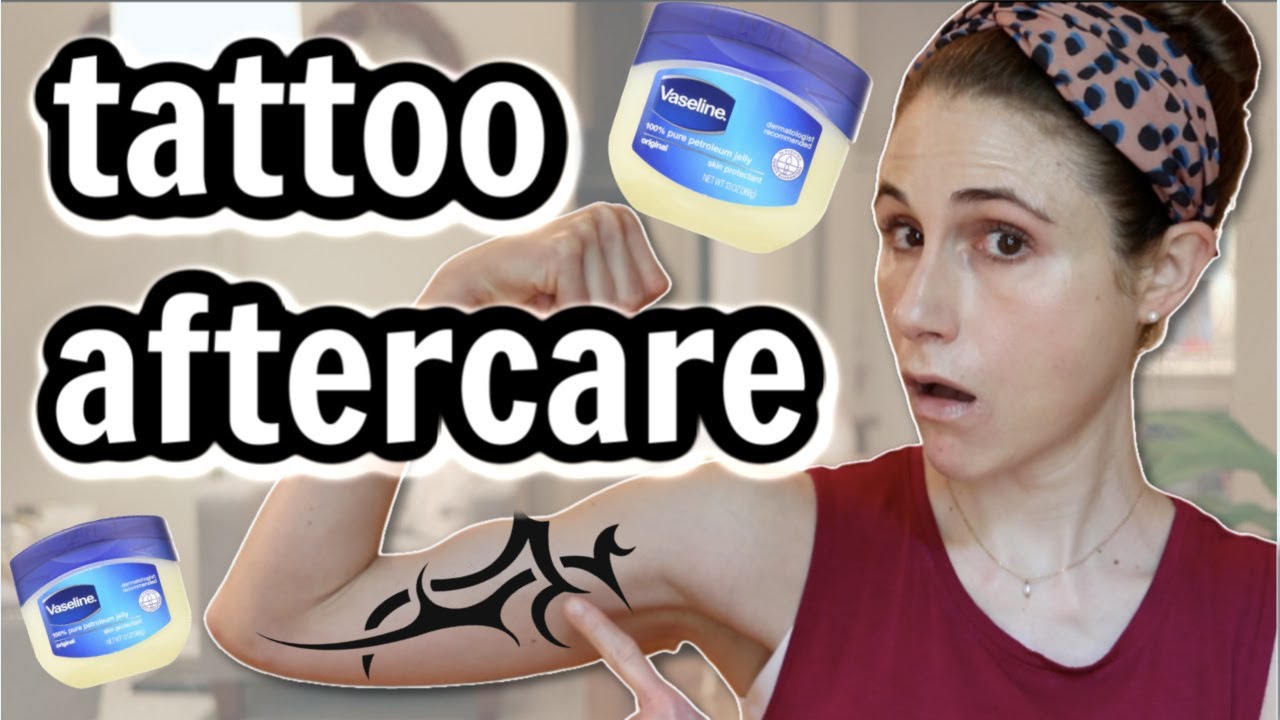
- Using petroleum jelly
- Applying sunscreen to the area
- Immersing the area in water (hot tubs, bathtubs, pools, etc.) Tattoo Aftercare Tips From a Dermatologist
“You want to strike that delicate balance between keeping the skin clean and moisturised so it can heal,” says Dr Khetarpal. “Petroleum jelly can block the pores in your skin, potentially leading to an overgrowth of bacteria and increased inflammation in the healing process. Instead, look for a more pore-friendly product.”
Complications to watch out for
Besides pain and potential regret, there are some possible health risks from tattoos, including:
- Infections: Infections are common because tattoos create an open wound where bacteria can get in — that’s why it’s so important to keep the area clean! There’s also a slight chance you could catch a bloodborne illness like hepatitis if the tattoo equipment hasn’t been properly sterilised between clients.
- Scarring: After the tattoo has healed, some people develop unusually thick, raised scars.
- Ink reactions: Some people develop an allergy or hypersensitivity to the ink, causing a red, bumpy rash.
While some redness, flaking and scabbing are normal as your tattoo heals, Dr Khetarpal says you should see a doctor if you notice any signs of infection. This includes: Tattoo Aftercare Tips From a Dermatologist
- Fever
- Skin that feels hot to the touch
- Odor or significant drainage from the tattooed skin
- Pain that increases instead of getting better
- Red streaks that run from the tattoo toward the center of your body, or redness that expands farther and farther from the tattoo site
“These complications are rare, but it’s good to be aware of the possibility,” she stresses. “One of the more common risks is tattoo regret.” Tattoo Aftercare Tips From a Dermatologist
Sure, there’s laser tattoo removal, but it’s painful, expensive and can take months. That’s why it’s always a good idea to stop and think for a minute before you get your new crush’s name etched into your skin.
At the end of the day, your body is a blank canvas that needs tender love and aftercare. In time, your new body art will be healed and just another beautiful part of the skin you’re in. Tattoo Aftercare Tips From a Dermatologist
“Ink is forever,” Dr Khetarpal says. “But the outcome of your tattoo depends on the quality of your aftercare almost as much as it depends on the skill of your tattoo artist.”








Leave a comment